Web Apps & Platforms
Sometimes a website isn’t enough. You need a real web application: different people logging in, each doing their own job, with data moving between them. I build platforms like that – owned by you, shaped around how you actually work, and without the monthly SaaS bill.
What I build
- Learning Platforms – lessons, homework, marking, progress
- Booking & Marketplaces – profiles, calendars, bookings
- Business Workflow Tools – schedules, approvals, reports, exports
- Under the Hood – what every platform gets
- Custom vs SaaS – when building your own makes sense
Learning Platforms
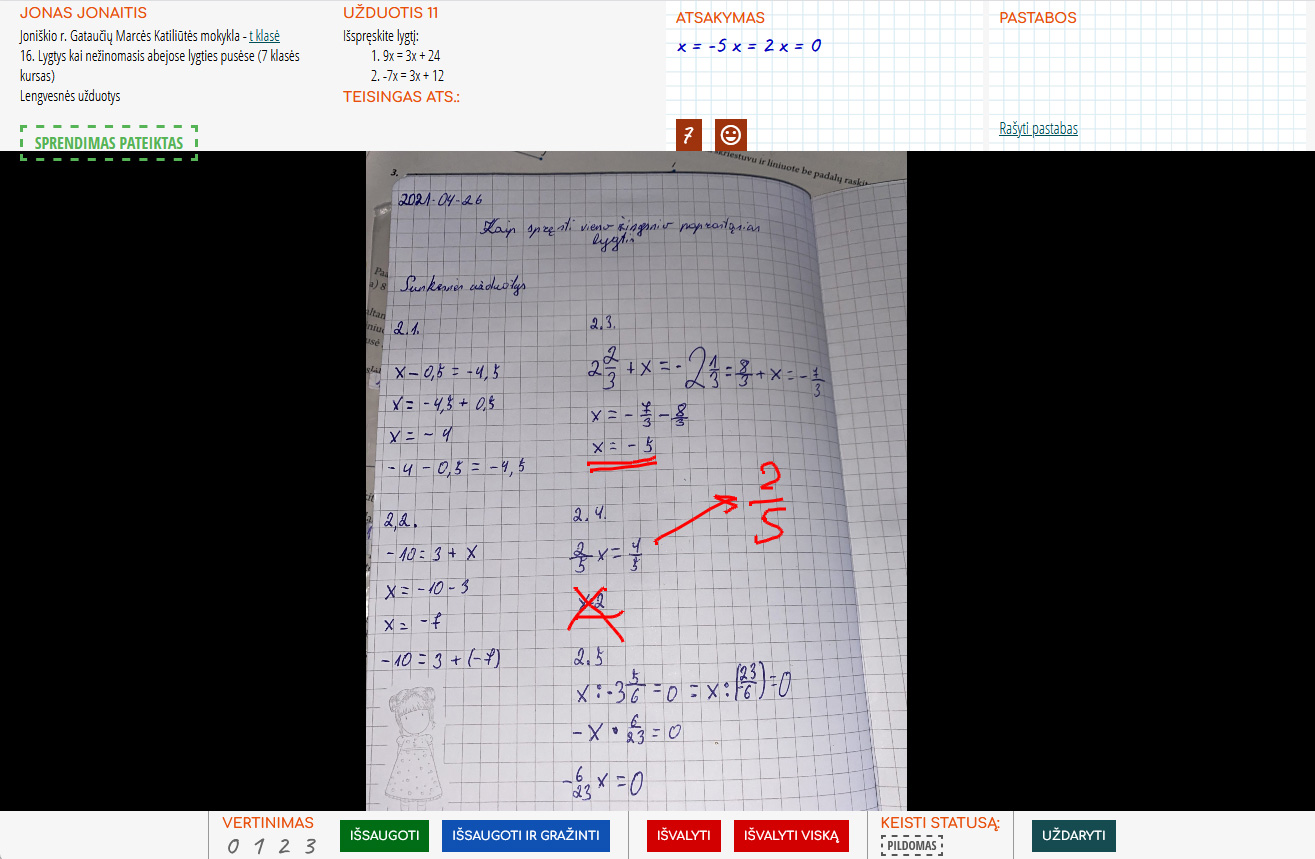
Online courses don’t have to be a pile of videos and a quiz. I build platforms where teachers actually teach:
- Structured lessons – videos, tasks and materials organised by topic, module or grade
- Homework submissions – students upload their solutions as photos or files
- Marking tools – teachers draw corrections right on the student’s work, score it and leave feedback
- Progress tracking – dashboards for teachers (whole class) and students (their own work)
- Easy updates – teachers add new lessons and materials themselves, no developer needed
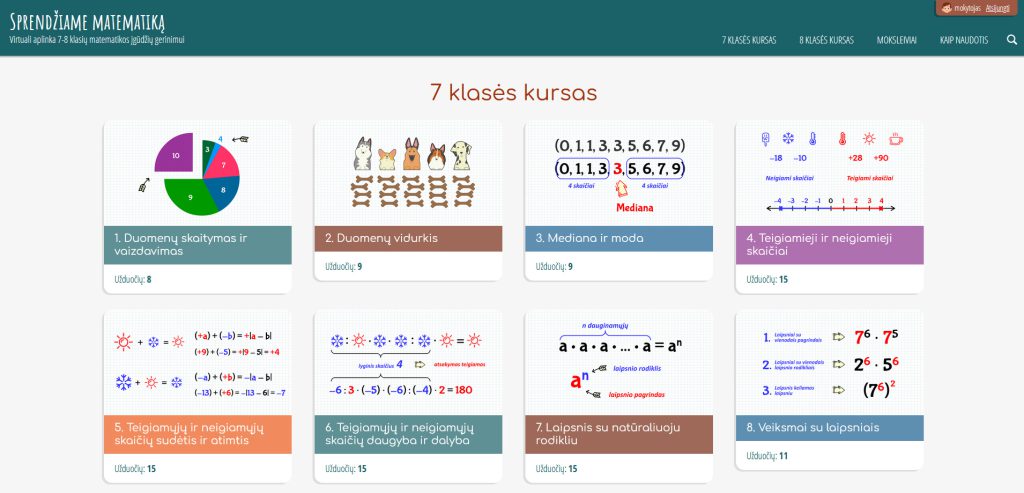
Example: Matematika – a maths platform for grades 7–8 with 56 animated lessons that I scripted, animated and edited, plus homework uploads, on-screen marking and class progress tracking.
Booking & Marketplaces
Connecting people who offer a service with people who need it – tutors and students, consultants and clients, coaches and teams. No middleman taking a cut of every booking.
- Public profiles – each provider presents themselves, their skills and prices
- Search and filters – clients find the right person quickly
- Availability calendars – providers set their hours, clients book free slots, no double bookings
- Reminders and notifications – automatic emails to both sides, so nobody forgets
- Class and session management – everything about upcoming and past sessions in one place
Example: Talkalive – teachers create profiles and set their availability; students search, book and run classes, all on one platform.
Business Workflow Tools
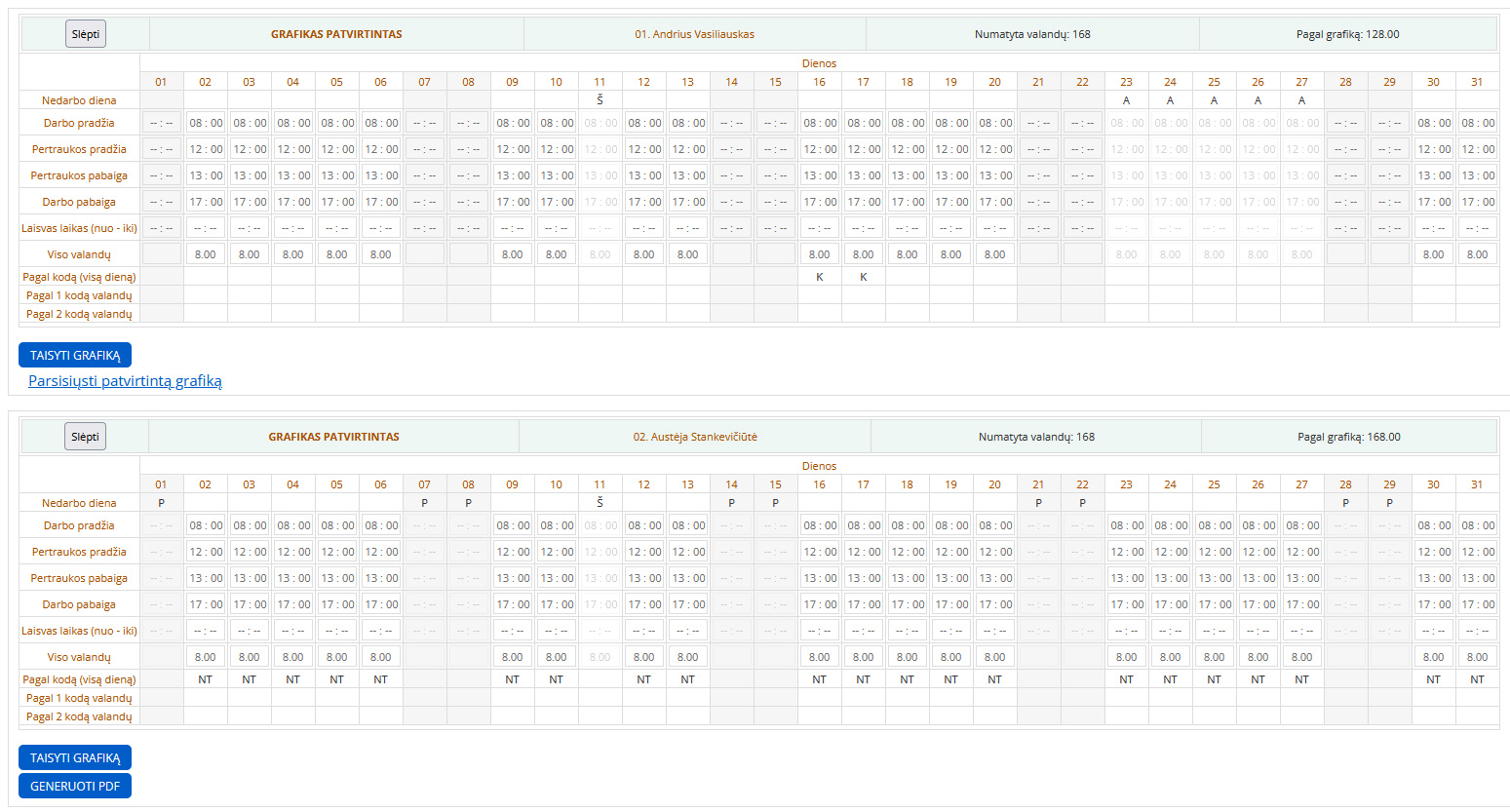
Still running part of your business on spreadsheets and email chains? I build internal tools that replace them – made for your process, not a generic one you have to bend around.
- Schedules and planning – shifts, breaks, holidays and sick days, with standard templates to fill a month in minutes
- Approvals – managers review and approve, and everyone knows what’s final
- Documents – PDFs generated and emailed automatically
- Exports and reports – totals and data exported to CSV or Excel for accounting
- Departments and roles – each person sees and edits only their own part
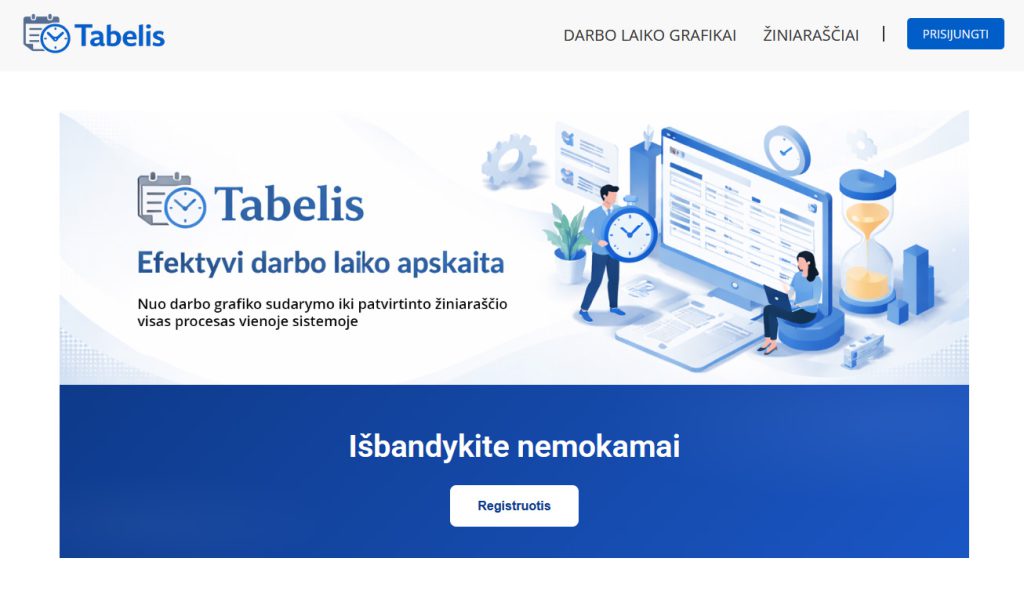
Example: Tabelis – a work-scheduling platform where organisations plan monthly schedules per department, approve them, send PDFs and export total hours.
Under the Hood
I use WordPress as the foundation for content and user management, and write the heavy parts in custom PHP and JavaScript, so the platform behaves like a real app – not a website with plugins taped on. Every platform gets:
- User roles and permissions – admin, teacher, student, manager, employee – everyone sees exactly what they need, nothing more
- Personal dashboards – each user’s own overview of tasks, sessions or results
- Automated notifications – the right email to the right person at the right moment
- Integrations – payments, calendars, video tools, CRMs, or any service with an API
- Security and speed – role-based access, protected data, and code that stays fast with many users at once
Need a simpler members-only area rather than a full platform? See Membership & Communities.
Custom vs SaaS
| Option | Good at | The catch |
| Off-the-shelf SaaS (Teachable, Calendly, etc.) | Quick to start, nothing to maintain | Monthly fees forever, your data on their servers, generic features that don’t fit your workflow |
| Big LMS / enterprise systems (Moodle, Canvas) | Very powerful for education | Expensive to set up and maintain, hard for admins to learn, overkill for most needs |
| No-code builders | Fast for simple prototypes | Hit a wall with complex roles, lots of data or custom logic – then you rebuild anyway |
| Custom platform | Built around your exact process, you own it | Bigger upfront investment and needs a developer for maintenance |
Bottom line: if a ready-made tool fits your process, use it – I’ll tell you so. If you keep bending your business around software that doesn’t fit, or paying more every month as you grow, a custom platform pays for itself. You own it, it does exactly what your users need, and nothing you don’t.