

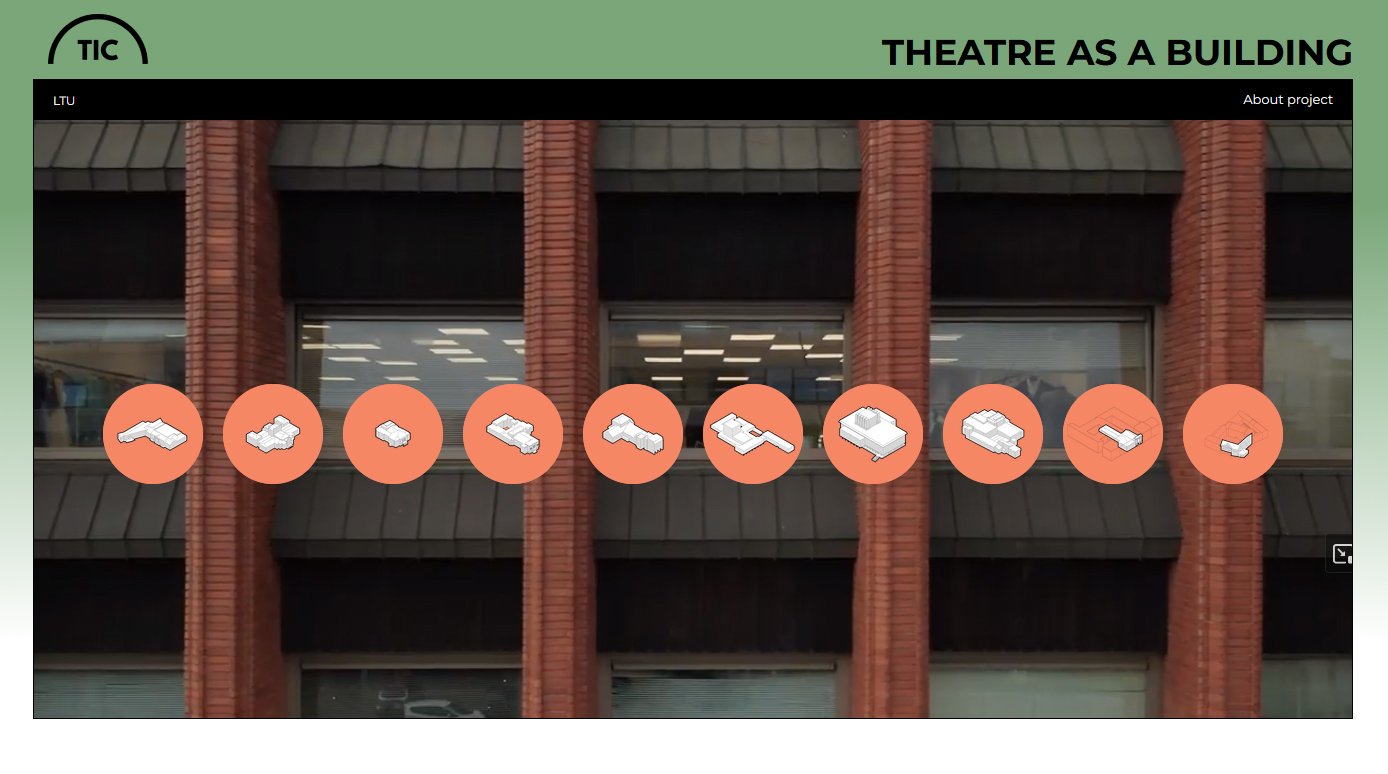
Theatre as a building
We didn’t build another theater fan page. We created a deep-dive architectural archive that turns complex Lithuanian theater buildings into explorable, living documents.
Standard WordPress templates spit out flat bios. We engineered a custom CMS beast with interactive building plans, timelines, and rich media to make every brick tell its story.
The Real Story This project, under the Lithuanian Theatre Information Center, spotlights 10 key Lithuanian theater buildings — from historic reconstructions to modernist icons. The goal: go beyond dates and names. Dive into architecture, history, renovations, technical quirks, and cultural context. Most sites would slap text blocks and a gallery. The client wanted more: an elaborate, easy-to-update structure where editors could layer detailed sections (text, images, videos, floor plans) per building, plus interactive ways to navigate the spaces. No off-the-shelf theme could handle that depth without becoming a mess. We built it custom from the original design.
What We Delivered
- Original custom WordPress theme development based on provided design — clean, responsive HTML/CSS foundation that stays maintainable
- Sophisticated CMS structure: flexible custom post types, ACF fields, or similar blocks for rich content — text paragraphs, embedded videos, high-res images, architectural drawings/plans, all modular so editors can build detailed narratives without code
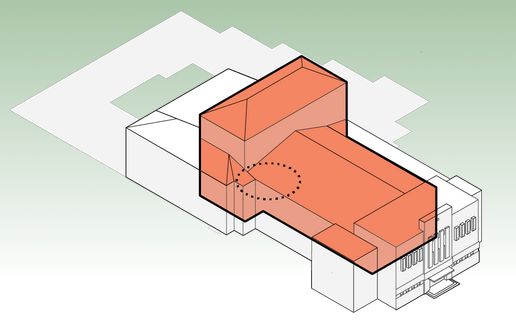
- Interactive HTML image map + JavaScript system: users hover/click over specific areas of building plans (e.g., foyer, stage, auditorium, facade) to highlight them dynamically and jump to corresponding detailed descriptions — smooth, no page reloads, links directly to sections like “Twin buildings” or “The renovation of the façade”
- JavaScript/CSS-powered event timeline: chronological display of key historical events (fires, reconstructions, openings, tech upgrades) — visual, scrollable, styled to fit the site’s serious yet engaging tone
- Multilingual support (English primary here, with LT link), SEO-friendly structure for discoverability
- Overall polish: fast loads, accessible navigation, consistent icon-based building list on homepage leading to individual deep-dive pages
Everything coded clean: theme from scratch, heavy JavaScript for interactivity (hover states, smooth anchors, dynamic highlights), PHP for CMS logic, no bloated plugins where custom code was better.
The Punk Part
While most cultural sites settle for static PDFs or boring lists, we made the buildings themselves interactive — hover over a facade and unlock its fire-and-rebuild story. No “under construction” excuses. No dumbed-down content. We gave editors real tools to fill in depth, and visitors a way to explore architecture like insiders. We didn’t follow WordPress norms. We forced it to serve serious cultural documentation without compromise.
Tech (Straight, No Fluff)
- WordPress (custom theme from original design)
- HTML5 / CSS3 / vanilla JavaScript (interactive maps, highlights, timelines)
- Custom CMS fields/blocks for text, images, videos, drawings
- Image map areas with JS event handling
- Built for easy content updates by non-devs
- Deployed with multilingual setup
Result
A digital archive that feels like walking through the buildings themselves — detailed, interactive, and built to last. Editors update histories, add new media, or expand sections without breaking the site. Visitors (researchers, architects, theater lovers) get rich, navigable insights instead of walls of text. Proof: when the content is this layered and technical, you don’t patch a template — you engineer the experience from the ground up.